

Preparing for a data center audit can feel like a tedious administrative task but, in reality, it serves as a stress test for your entire facility. Auditors aren't coming in to simply review spreadsheets. They're also verifying that your physical data center assets match your digital records.
But one of the biggest risks during a data center infrastructure audit isn't missing hardware. It's your operation's "ghost assets," or any equipment listed in your system but not physically present, including equipment in racks with missing, faded or peeling, asset tags.
That's why modern data center asset tracking depends on more than software. It requires durable labeling, standardized workflows, and a repeatable hardware asset management audit checklist.
Ensuring audit readiness requires teams to follow these four essential pillars:
- Inventory management
- Asset management
- Physical security
- Operational workflow
Checking off each of the items on this to-do list helps audits become a seamless and successful part of your operations, not stressful. Below is a complete guide to creating a comprehensive data center audit checklist for your facility.
Understanding the Importance of Asset Tagging
Every effective data center audit checklist starts with physical identification. And durable asset tags serve as the single source of truth for every server and rack, including physical racks, network devices, power systems, cooling infrastructure, and digital asset records. Without reliable data center labeling, even the best asset tracking technology breaks down and loses accuracy over time.
That's why adhesion is one of the most overlooked components of a data center labeling standard. Powder-coated server racks require aggressive adhesives designed to resist heat, abrasion, and cleaning chemicals. Using these adhesives plays a pivotal role in preventing the types of label failure that can compromise your data center inventory management.
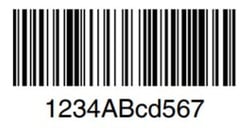
Standardization is also essential for proper data center inventory management. A consistent format — whether 1D or 2D barcode — ensures scanning accuracy during high-density audits.
Critical Asset Tag Types & Material Requirements
A thorough data center compliance checklist requires multiple labeling materials tailored to specific environments. Here are some of the most frequently used labeling materials.
Heat-Resistant Barcode Labels for Servers
Heat-resistant server tags can withstand constant temperatures of at least 150°F without obstructing airflow. These are essential for servers, storage arrays, switches and routers, and blade enclosures. It's critical for server asset tags to remain scannable throughout the full hardware lifecycle.
Tamper-Evident Labels for Physical Security
Security is a core pillar of any data center audit checklist. Auditors expect visible evidence that high-value hardware hasn't been altered. Tamper-evident labels provide clear "VOID" indicators if removed and are commonly used on firewalls, security appliances, backup systems, and network devices.
These labels reinforce compliance expectations during a hardware asset management audit checklist review.
Metal Asset Tags for Long-Term Infrastructure
Infrastructure components often outlast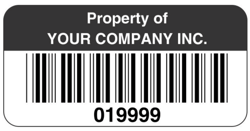 server hardware by decades. Durable metal asset tags constructed of anodized aluminum are ideal for generators, HVAC systems, and power distribution panels. These asset tags for equipment must withstand UV exposure, chemicals, abrasion, and moisture.
Cable and Port Management
Many teams underestimate the importance of cable organization during a data center audit checklist review. Understanding how to label ports and cables at a data center reduces downtime and speeds inspections. Consistent data center rack labeling ensures that technicians and auditors can quickly identify rack elevations and asset placement.
Asset Management Strategy & Audit Zones
A strong data center audit checklist is built through a defined asset management strategy supported by clearly structured audit zones. Without strategy and structure, even advanced data center asset tracking systems produce inconsistent results.
Inventory Accuracy & Reconciliation: How to Achieve 100% Accuracy
Inventory accuracy is the core objective of any data center inventory management program. For organizations operating under SSAE 18 or ISO 27001 requirements, reconciliation must be continuous.
To achieve near 100% accuracy:
- Every asset must have a durable, scannable asset tag
- Every move, add, or change must trigger a scan event
- Physical rack positions must match DCIM/ITAM records
- Discrepancies must be reconciled immediately
Standards like SSAE 18 and ISO 27001 expect demonstrable control over physical assets. Auditors will verify that rack-level assets reconcile with digital inventory records. A disciplined data center audit checklist supports this reconciliation process at every level of the facility.
High-Density Zone Auditing
High-density server environments present unique challenges during a hardware asset management audit checklist review.
In tightly packed racks:
- Labels must withstand elevated
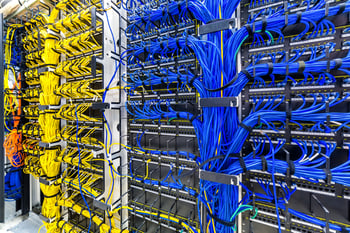 temperatures
 - Barcodes must remain scannable in low-light conditions
- Placement must avoid airflow obstruction
- Adhesives must bond to powder-coated metal
High-density zone auditing also depends on a consistent server rack labeling system. When racks, elevations, and individual devices follow a standardized data center labeling standard, scanning during high-density inventory audits becomes faster and more accurate.
Regular Audits for Maintaining Readiness
Audit readiness is best maintained through structured, recurring physical inspections.
Best practices for regular data center audit checklist execution include:
- Quarterly physical asset verification
- Annual full-facility reconciliation
- Proactive replacement of damaged or faded labels
- Zone-by-zone inspection scheduling
Proactive maintenance is essential. And continuous inspection ensures that your data center asset management (DCAM) best practices remain operational, not theoretical.
Hardware Lifecycle Management
Effective data center asset management requires cradle-to-grave tracking of all hardware; from procurement and deployment to relocation, maintenance, and decommissioning.
Every hardware asset moves through defined lifecycle stages:
- Procurement and tagging
- Rack installation and scanning
- Operational monitoring
- Relocation or reassignment
- Secure decommissioning
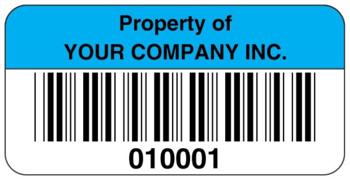
Physical asset tags bridge the gap between racks and DCIM/ITAM software. They maintain the "single source of truth" connecting physical hardware to digital records.
Lifecycle management begins with the science of adhesion. If a tag fails in year two, the lifecycle data is compromised. That failure disrupts your inventory management, chain-of-custody documentation, compliance reporting and decommissioning records.
Durable materials, aggressive adhesives, and standardized barcode formats protect lifecycle continuity, which preserves long-term data integrity.
Data Center Inventory Management
A foundational data center audit checklist
for inventory management should include:
- Verification that all devices have scannable barcodes
- Confirmation that rack elevations match DCIM records
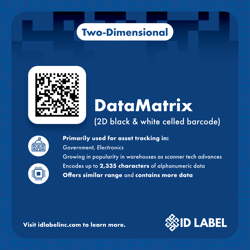
- Standardized barcode symbology (1D or 2D) across all assets
- Immediate reconciliation of discrepancies
Standardized formats matter. Choosing between 1D and 2D barcodes affects scanning efficiency during high-density inventory audits. A consistent format ensures that technicians and auditors can move quickly without interpretation errors.
Achieving 100% accuracy in data center inventory management eliminates ghost assets and strengthens overall audit confidence.
Developing an Effective Asset Management Strategy
A defined asset management strategy formalizes how labeling, scanning, and reconciliation occur across the organization. Asset management best practices include:
- Tag assets before entering production racks
- Standardize label placement across equipment types
- Match materials to environmental conditions
- Define barcode symbology organization-wide
- Document scanning requirements for every asset move
Another key component of an asset management strategy is inventory accuracy and reconciliation. This must be zone-based and documented with accountability assigned for each audit zone. Zone ownership improves data center asset tracking accuracy and simplifies audit validation.
It's also critical to self-audit and update regularly. Waiting for an audit invites failure. Instead, implement scheduled physical inspections, proactive replacement of aging labels, routine verification of tamper-evident security seals, and an annual review of barcode readability standards.
Lastly, leverage technology to ensure efficient asset management. Integrating tools like barcode scanners, DCIM platforms, ITAM software, and mobile auditing tools help you stay current with technology. But remember, these devices and systems all depend on accurate physical tags.
Label Standardized Requirements
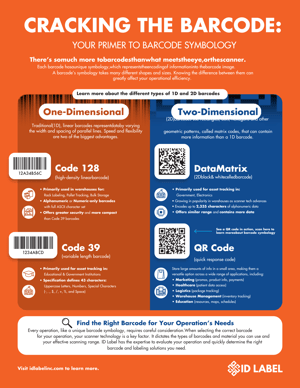
Standardization of the label or asset tag strengthens scanning efficiency during high-density audits and improves data center inventory accuracy. As an organization, you should define and standardize areas such as:
- Barcode format (1D vs. 2D)
- Label placement guidelines
- Font size and contrast requirements
- Naming conventions
- Rack identification format
Maintaining consistency with your label or tag formats, placements, colors, and naming conventions provides a shorthand for workers and auditors entering the data center.
Training Staff on Asset Management Procedures
Even the best data center asset management strategy fails without training. Ensure your staff understands the following:
- When to tag
- Where to place labels
- How to scan assets properly
- When to replace worn or damaged labels
- How to document discrepancies
Establishing these clear procedures reduces audit variability and improves success rates.
Proactive Maintenance
Proactive maintenance is a pivotal part to any asset-tagging procedure. It's critical to frequently replace aging labels on a regular schedule, inspect barcode readability on a quarterly basis, and reconcile any discrepancies you find immediately. Continuous maintenance preserves long-term data center asset tracking accuracy and ensures permanent audit readiness.
Why Data Centers Choose ID Label
A strong data center audit checklist starts with durable, standardized asset tagging. ID Label provides custom barcode asset tags, heat-resistant labels for high-density racks, tamper-evident security labels, metal infrastructure tags, and MIL-STD-130 compliant UID labels for government facilities. With aggressive adhesives, 1D and 2D barcode options, and materials engineered for demanding environments, ID Label helps data centers maintain accurate inventory, support compliance requirements, and achieve long-term audit readiness.